Home Solar Panels: Are They Worth It?
Weigh the real costs, savings, payback time and risks of home solar panels, and learn which roof, usage and local rules decide whether they suit you.
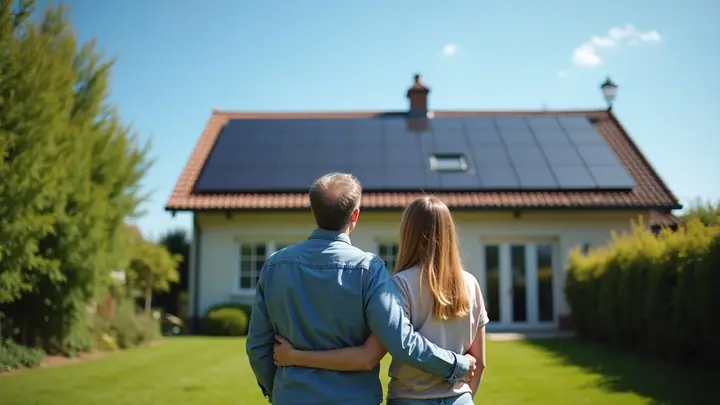
Home solar panels can be worth it if you have a suitable roof, plan to stay in your home for several years and use a fair amount of electricity during the day. Whether they pay back quickly depends on local electricity prices, installation costs and the rules for selling surplus power.
How home solar works
Solar panels on your roof turn sunlight into electricity. An inverter converts that power into the form your home uses. During the day, your home uses the solar power first, which reduces what you buy from the grid.
When panels make more than you use, the surplus either goes back to the grid or into a home battery if you have one. At night, you draw power from the grid or your battery as usual.
What decides whether it pays off
Several factors combine to set your payback time. No single one tells the whole story, so look at them together.
- Roof direction and angle: roofs facing the sun for most of the day produce the most power.
- Shade: trees, chimneys or nearby buildings can cut output noticeably.
- Local sunshine: sunnier climates generate more power per panel over a year.
- Electricity prices: the higher your price per unit, the more each unit of solar saves you.
- Daytime use: using power while the sun shines saves more than exporting it.
- Export rules: payments for surplus power range from generous to nothing at all.
- How long you will stay: moving before payback may mean you do not recover the cost, though solar can add appeal to buyers.
Costs to plan for
The upfront price covers panels, inverter, mounting, wiring, labour and any permits or grid connection fees. Prices vary by system size, roof type and region, so get quotes rather than relying on averages.
| Cost item | When it arises | Notes |
|---|---|---|
| Panels and mounting | Upfront | Largest part of the price |
| Inverter | Upfront, then replacement later | Often replaced once during panel lifetime |
| Installation and scaffolding | Upfront | Higher on steep or complex roofs |
| Permits and grid connection | Upfront | Depends on local rules |
| Battery (optional) | Upfront | Adds substantially to cost |
| Cleaning and checks | Occasional | Usually modest |
| Insurance changes | Ongoing | Tell your home insurer about the system |
A simple payback estimate is: total installation cost divided by expected yearly savings. For example, if a system costs 8,000 and saves 800 a year, it pays back in about ten years, before counting inverter replacement or price changes.
Batteries: helpful but not essential
A battery stores solar power you do not use during the day so you can use it in the evening. That can raise the share of solar power you consume yourself, especially if export payments are low.
However, batteries add a large cost and have a shorter lifespan than panels. For many households they lengthen overall payback. They make more sense where export payments are poor, evening prices are high or power cuts are common.
Risks and downsides
Solar is a long-term investment, and some things can change after you install. Electricity prices may fall, export rates may be cut, and your usage may change if you work from home less or your household shrinks.
Roof condition matters too. If your roof will need replacing in the next few years, do that first, because removing and refitting panels costs extra. Also check whether your property, building rules or any landlord or owners' association limit installations.
Financing adds cost. If you borrow to pay for solar, include interest in your payback calculation, and be cautious of lease or rental schemes that tie the panels to your home under long contracts.
Choosing an installer safely
A good installer will survey your roof, check shading, look at your past bills and give a written estimate of yearly generation. Be wary of anyone who quotes without a site visit or promises savings that seem far above other quotes.
- Get at least three written quotes for comparable systems.
- Check the installer is accredited or licensed where you live.
- Ask for warranty terms for panels, inverter and workmanship separately.
- Confirm who handles permits and grid connection paperwork.
- Avoid pressure to sign the same day, especially at your door.
Your local consumer-protection agency or energy authority may publish lists of approved installers and guidance on your rights.
After installation, keep the paperwork together: warranties, the electrical certificate, grid approval and the generation estimate. Check your monitoring app or meter each month. If output falls well below the estimate for no obvious reason, such as a run of cloudy weather, contact the installer while the workmanship warranty still applies.
The bottom line
Home solar panels are often worthwhile for homeowners with a sunny, unshaded roof who plan to stay put and use power during the day. Work out your own payback using real quotes and local prices, treat batteries as optional, and choose a qualified installer who gives honest estimates in writing.
Frequently asked questions
How long do solar panels last?
Solar panels typically last for decades and slowly produce a little less electricity each year. The inverter, which converts the power for home use, usually needs replacing sooner, so budget for that.
Do solar panels work on cloudy days?
Yes, but they produce much less power under heavy cloud. Annual output depends on your overall climate, so installers estimate yearly generation rather than daily figures.
Do I need a battery with solar panels?
No, most systems work without one. A battery lets you store daytime power for evening use, which can raise your savings, but it adds a large upfront cost and takes longer to pay back.
Can I sell extra solar power back to the grid?
In many places you can, but the rules and rates differ widely. Check with your electricity supplier or energy regulator about export payments, net metering and connection approval.
Disclaimer: This guide is general information only and may not fit your situation or country. Rules, prices and requirements change, so check the details with the official source or a qualified professional before you act. Read our full disclaimer.