Electric Cars: The Real Cost of Owning One
Electric cars cost more upfront but less to run. See how purchase price, charging, insurance, maintenance, battery and resale value add up over time.
The real cost of owning an electric car depends less on the sticker price and more on how far you drive, where you charge and how long you keep the car. Many owners pay more upfront but less each month to run it. Adding up every cost over five or more years is the fairest way to compare.
The purchase price and what affects it
Electric cars usually cost more to buy than similar petrol or diesel models, mainly because of the battery. The gap has been narrowing in many markets, and used electric cars can be much cheaper than new ones.
Some governments offer purchase incentives, tax breaks or reduced registration fees for electric cars. These change often and differ from place to place, so check your country's transport or tax authority for what applies now. Never assume an incentive will still exist by the time you buy.
If you finance the car, the interest rate matters as much as the price. A higher purchase price means more interest paid over the loan term.
Charging: the biggest running cost
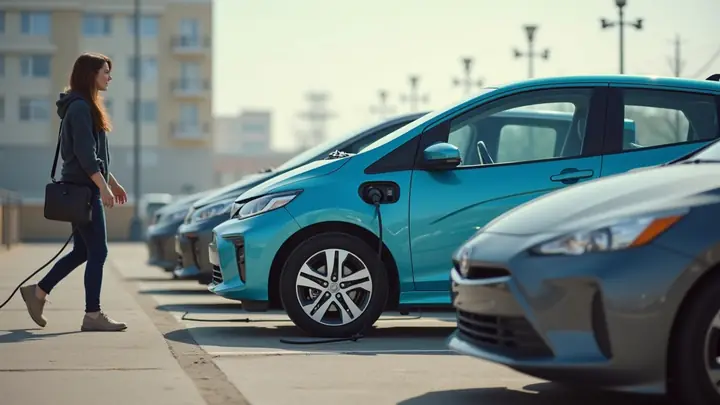
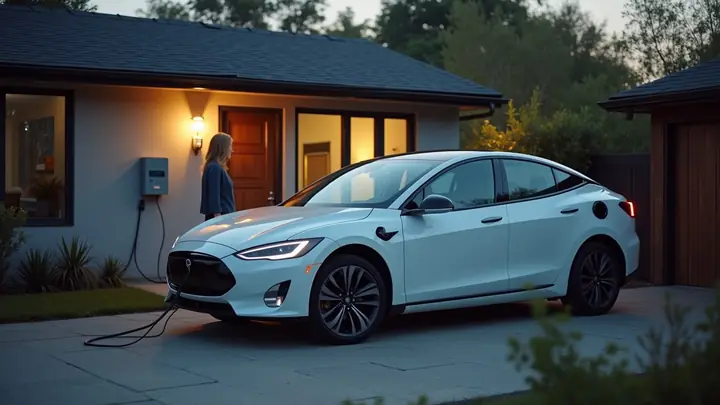
Charging replaces fuel, and where you charge makes a large difference. Home charging overnight is usually the cheapest option, especially if your electricity supplier offers lower off-peak rates.
| Charging option | Typical cost per km | Convenience | Things to consider |
|---|---|---|---|
| Home, standard socket | Low | Slow, overnight | Needs off-street parking; check wiring safety |
| Home, dedicated unit | Low | Faster overnight | One-off installation cost |
| Workplace | Low to free | Charges while you work | Depends on employer policy |
| Public slow charger | Medium | Good for long stops | Availability varies by area |
| Public fast charger | Highest | Quick top-ups on trips | Can cost several times home rates |
If you live in an apartment without a parking space, you may rely on public charging. That can erase much of the running-cost advantage, so price it out honestly before you buy.
Maintenance and repairs
Electric cars have fewer moving parts. There are no oil changes, spark plugs, exhaust systems or clutches to replace. Regenerative braking also means brake pads often last longer.
Some costs remain or rise:
- Tyres: Electric cars are heavy and deliver strong torque, so tyres can wear faster.
- Cabin filters, wipers and suspension: These need the same care as in any car.
- Coolant for the battery system: Some models need periodic checks or changes.
- Accident repairs: Specialist parts and trained technicians can make body and battery repairs expensive.
- 12-volt battery: Most electric cars still have one, and it wears out like any other.
Ask the dealer or manufacturer for the scheduled service plan and its expected cost. Compare it with the plan for a petrol model you are considering.
Insurance, tax and registration
Insurance premiums for electric cars can be higher because repairs cost more and fewer workshops can handle them. The difference varies a lot by model, so get real quotes early.
Road tax, registration and parking charges also vary. In some places electric cars pay less; in others new road-use charges apply to replace lost fuel tax. Check your local vehicle registration authority for current rules.
Battery health and resale value
The battery is the most valuable part of an electric car, and its condition drives resale value. Batteries lose capacity slowly over time. Frequent fast charging, extreme heat and regularly charging to 100% can speed this up.
Most manufacturers offer a separate battery warranty covering a set number of years or distance. Read the terms closely, because some only guarantee that capacity stays above a certain percentage.
Resale values for electric cars can be less predictable than for petrol cars. Newer models with longer range can make older ones less attractive. If you plan to sell within a few years, that uncertainty is a real cost.
A simple way to compare total cost
Work out the full cost over the years you expect to keep the car. Use your own figures, as this is only an illustration.
Imagine an electric car costs 40,000 and a similar petrol car costs 32,000. You drive 15,000 km a year for six years. List these items for each car:
- Purchase price, minus any incentive you are sure to receive.
- Finance interest, if you borrow.
- Energy: yearly distance multiplied by cost per km, for each year.
- Scheduled maintenance and expected tyre replacements.
- Insurance, tax and registration for each year.
- Home charger installation, if needed.
- Estimated resale value at the end, subtracted from the total.
Divide the final total by the distance driven to get a cost per kilometre. The car with the lower number is cheaper for your situation, regardless of which one had the lower price tag.
The bottom line
An electric car can be cheaper to own than a petrol or diesel car, but only under the right conditions. Low-cost home charging, higher yearly distance and keeping the car for several years tilt the numbers in its favour.
If you depend on public fast charging, drive little or plan to sell soon, the savings may be small or disappear. Run the numbers with your own prices and quotes before deciding.
Frequently asked questions
Is an electric car cheaper to run than a petrol or diesel car?
Often, yes, especially if you charge mostly at home. Electricity per kilometre is usually cheaper than fuel, and there are fewer service items. The gap shrinks if you rely heavily on public fast chargers or local electricity prices are high.
How long does an electric car battery last?
Most batteries lose capacity gradually rather than failing suddenly, and many last well beyond the warranty period. Manufacturers typically warranty the battery for several years or a set distance. Check the exact terms, including the minimum capacity they guarantee.
Do electric cars cost more to insure?
They sometimes do, because repairs and parts can be more expensive and fewer workshops handle them. Premiums vary widely by model, insurer and location. Get quotes for the exact model before you commit.
Do I need a home charger?
Not always. Some owners manage with a standard socket or public charging. A dedicated home unit charges faster and more safely, but it has an installation cost, so factor that in.
Disclaimer: This guide is general information only and may not fit your situation or country. Rules, prices and requirements change, so check the details with the official source or a qualified professional before you act. Read our full disclaimer.